ESP32 vs ESP8266: Which Is Better for IoT Projects in 2026?
Hello, future innovators! Welcome to InsaneNotes.in.
Have you ever dreamed of building a smart gadget? Maybe a plant that emails you when it needs water? Or a secret button that turns on your room’s lights? The world of the Internet of Things (IoT) makes this all possible!
But to build these cool projects, you need a tiny, smart, and wireless brain. That’s where two famous microcontrollers come in: the ESP32 and the ESP8266.
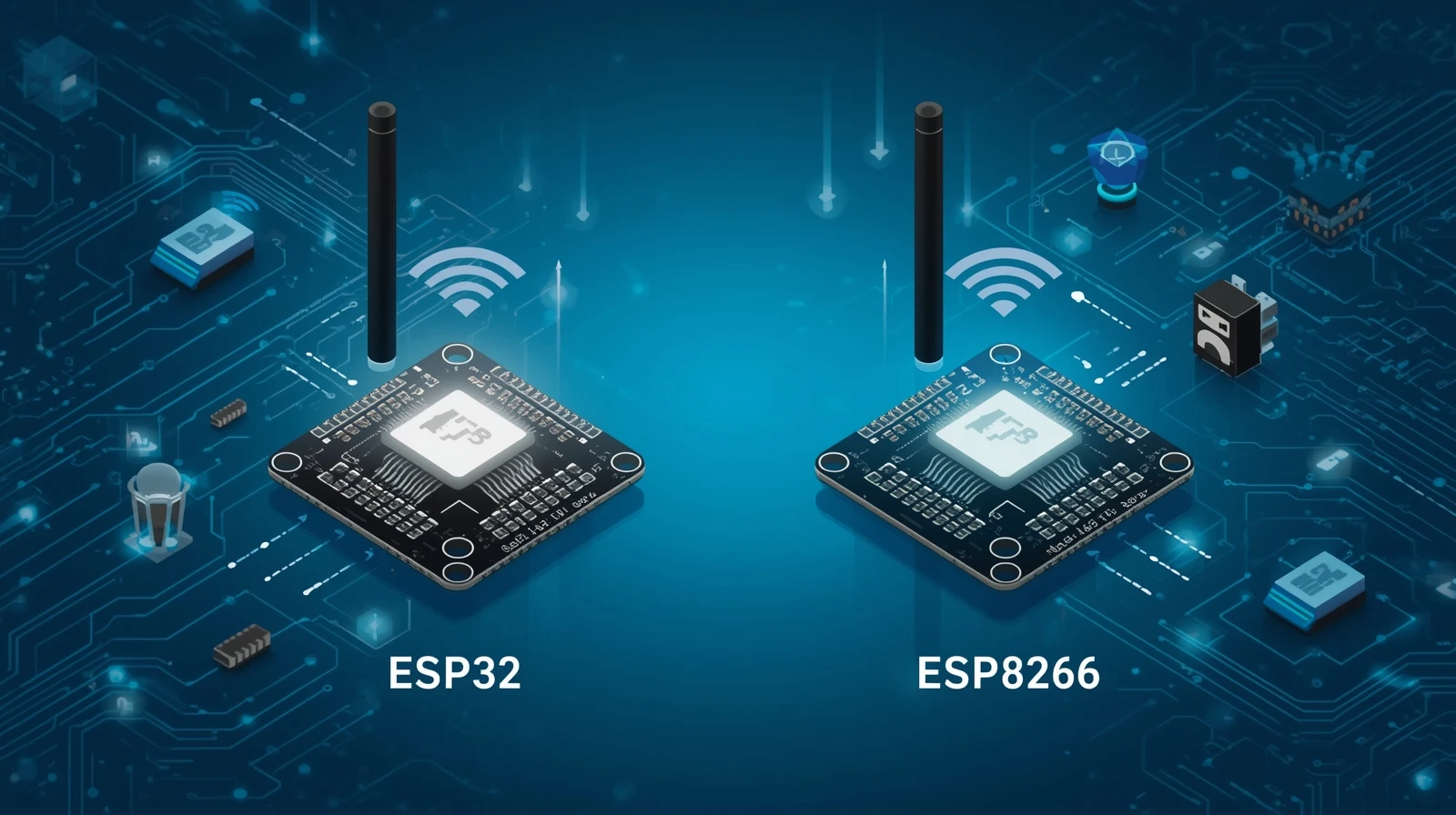
If you’ve ever searched for DIY electronics, you’ve definitely heard their names. But which one should you choose for your project? The ESP32 vs ESP8266 debate is a classic, like choosing between two awesome superheroes.
This isn’t just about which one is better overall. It’s about which one is better for you. In this article, we will settle the ESP32 vs ESP8266 debate for 2026. We’ll look at their powers, their weaknesses, and where they shine.
By the end, you’ll know exactly which chip is the perfect fit for your next big idea. Let’s get started!
What Are These Tiny Brains? A Quick Introduction
Before we jump into the ESP32 vs ESP8266 fight, let’s understand what they are.
Imagine your computer has a big, powerful brain (the CPU). It can do many complex things, but it uses a lot of power and is expensive. For a small IoT device, that’s overkill.
The ESP8266 and ESP32 are like tiny, specialized brains. They are:
- Cheap: They cost just a few dollars.
- Power-efficient: They can run for a long time on a small battery.
- Wireless: They have WiFi built right in, so they can connect to the internet.
They are the perfect starting point for anyone wanting to enter the world of IoT development.
Also Read This
10 Best Free AI Video Generator Tools in 2026 – Create Stunning Videos Instantly
Meet the Champion: The ESP8266 (The Reliable Older Sibling)
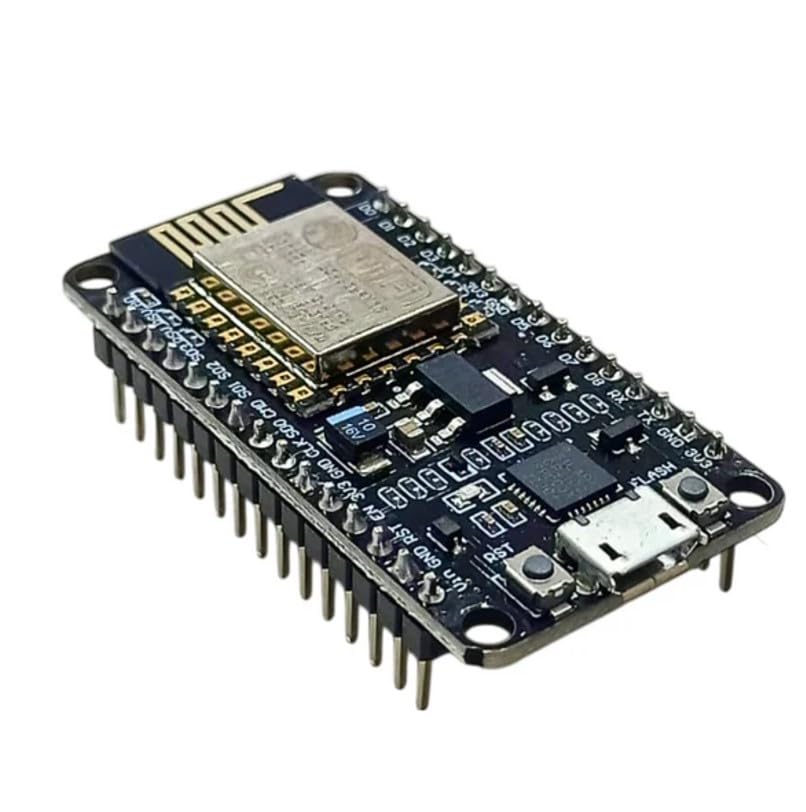
The ESP8266 came first and took the world by storm. It was the chip that made it super cheap to add WiFi to any project.
Think of the ESP8266 as the reliable, hardworking older sibling. It does one job, and it does it very well.
Key Features of the ESP8266:
- Single-Core Processor: It has one processing unit, like a person doing one task at a time.
- WiFi Connectivity: It can connect to your home WiFi network.
- Enough GPIO Pins: It has a good number of pins to connect sensors, buttons, and lights.
- Arduino Compatible: You can easily program it using the popular Arduino software.
The ESP8266 is perfect for simple IoT projects. It’s the go-to chip for reading a temperature sensor and sending the data to the internet, or for making a simple smart plug.
Meet the Upgrade: The ESP32 (The Powerful Younger Sibling)
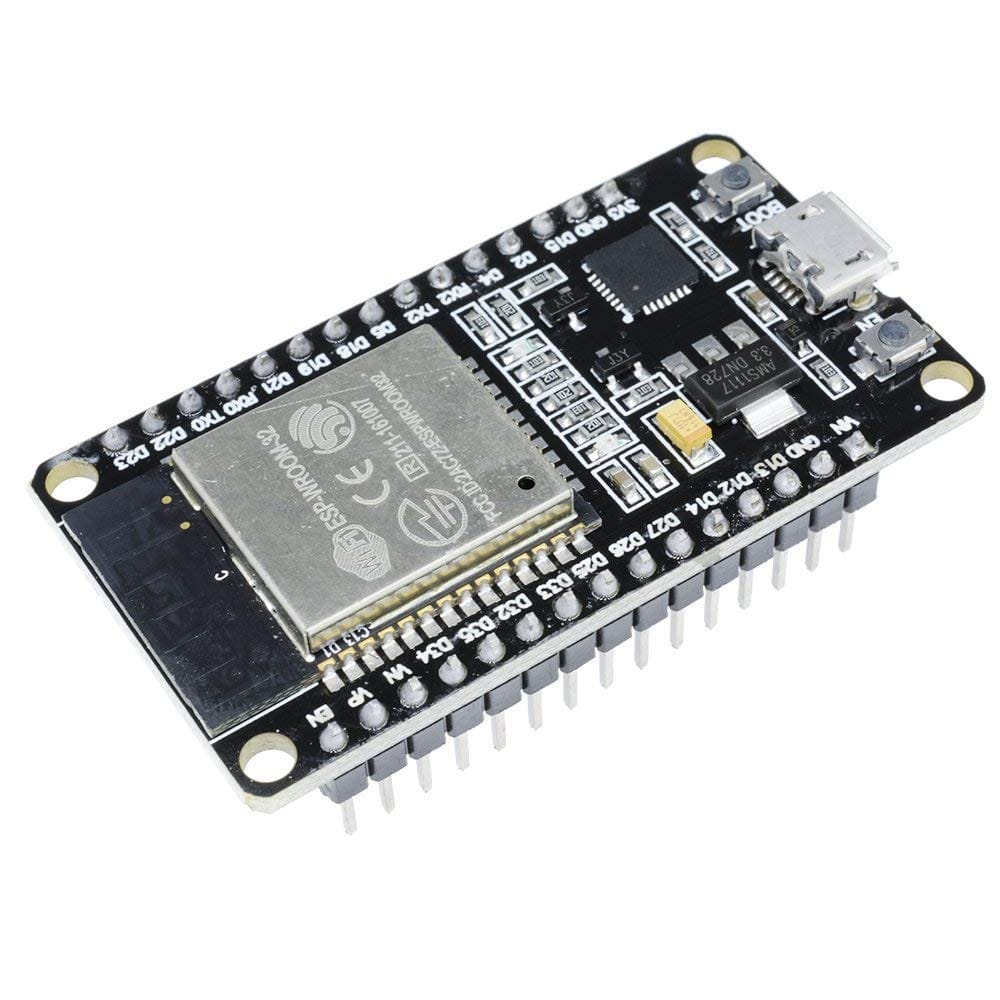
The ESP32 came later as a big upgrade. It’s like the younger sibling who learned from the older one and came out with even more cool features.
The ESP32 is a powerhouse packed with extra abilities.
Key Features of the ESP32:
- Dual-Core Processor: It has two processing units. This is like having two brains that can work on different tasks at the same time.
- WiFi + Bluetooth: It has both WiFi and classic Bluetooth & Bluetooth Low Energy (BLE). This opens up so many more possibilities.
- More GPIO Pins: It has way more pins to connect to more sensors and components.
- More Memory: It can run more complex code and store more data.
- Built-in Hardware Security: It has features that make your device more secure.
The ESP32 is built for more complex IoT applications. It can handle video, audio, and running two things at once without breaking a sweat.
The Main Event: ESP32 vs ESP8266 Showdown
Now, let’s put them side-by-side. This ESP32 vs ESP8266 comparison will make the differences crystal clear.
Processing Power: The Brain Battle
This is the biggest difference.
- ESP8266: Has a single 80 MHz processor. It’s like a skilled worker who can efficiently complete one task after another.
- ESP32: Has a dual-core processor that can run at 160 or 240 MHz. This is like having two skilled workers who can team up on a big job or work on two different jobs simultaneously.
Winner: ESP32. For any task that requires multitasking or heavy number-crunching, the ESP32 is the clear winner.
Connectivity: How Do They Talk?
- ESP8266: Has WiFi. That’s it. But for many projects, that’s all you need!
- ESP32: Has WiFi and Bluetooth/BLE. Bluetooth lets you connect directly to your smartphone or use Bluetooth speakers and remotes.
Winner: ESP32. The addition of Bluetooth is a huge advantage for the ESP32 vs ESP8266 contest. It allows for a much wider range of IoT project ideas.
GPIO Pins: How Many Friends Can They Have?
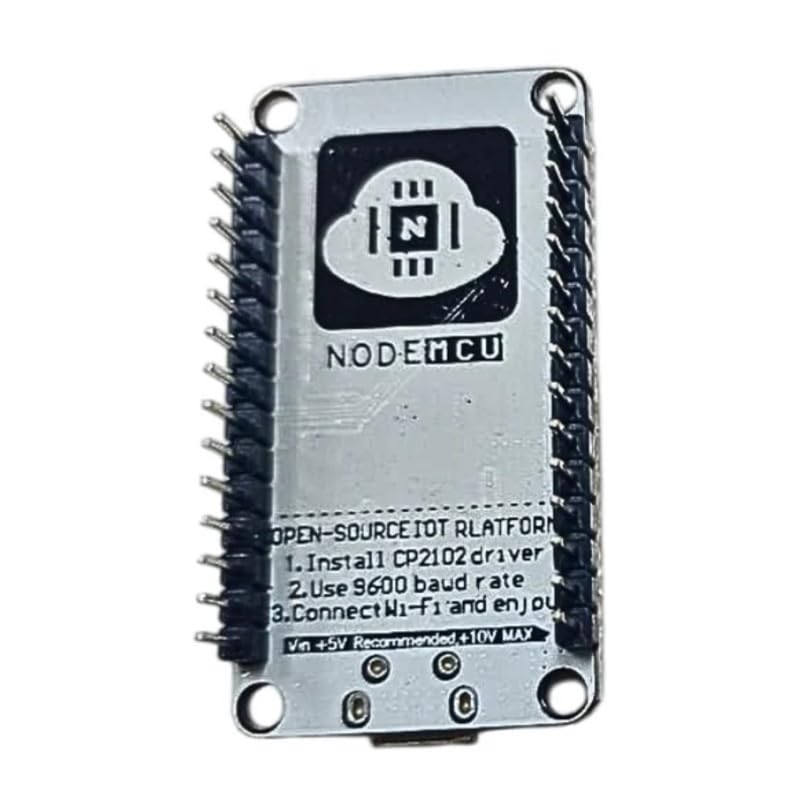
GPIO pins are how the chip connects to the outside world—sensors, screens, motors, etc.
- ESP8266: Has about 17 GPIO pins. This is enough for many standard projects.
- ESP32: Has up to 36 GPIO pins. This is great for massive projects with lots of components.
Winner: ESP32. If you need to connect a lot of things, the ESP32 gives you plenty of room to grow.
Power Consumption: The Battery Life Test
This is important for devices that run on batteries.
- ESP8266: Is generally simpler and can be very power-efficient in “deep sleep” mode.
- ESP32: Has more features, which can use more power. However, it also has very advanced sleep modes and is more efficient when doing complex tasks because it finishes them faster.
Winner: It’s a tie. For very simple, sleep-heavy sensors, the ESP8266 might have a slight edge. For any active task, the ESP32 is often more efficient. In the ESP32 vs ESP8266 power debate, your project’s specific behavior decides the winner.
Price: The Cost Factor
- ESP8266: Is still slightly cheaper. You can find modules for as low as $2-$3.
- ESP32: Costs a little more, usually around $4-$6 for a basic module.
Winner: ESP8266. But the price difference is so small now that it often shouldn’t be the main deciding factor.
Side-by-Side Comparison Table
Here’s a simple table to summarize the ESP32 vs ESP8266 differences.
| Feature | ESP8266 | ESP32 | Winner for 2026 |
|---|---|---|---|
| Processor | Single-core (80 MHz) | Dual-Core (up to 240 MHz) | ESP32 |
| Connectivity | WiFi | WiFi + Bluetooth/BLE | ESP32 |
| GPIO Pins | ~17 | Up to 36 | ESP32 |
| Memory | Less | More | ESP32 |
| Power Use | Good for simple sleep | Better for complex tasks | Draw |
| Price | Slightly Cheaper | Slightly More Expensive | ESP8266 |
| Ease of Use | Very Simple | A Bit More Complex | ESP8266 |
Which One Should You Choose for Your IoT Project in 2026?
So, after all this ESP32 vs ESP8266 talk, which one do you buy? Let’s make it simple.
You Should Choose the ESP8266 if…
- Your project is simple: You’re reading one or two sensors and sending data to the cloud.
- You are a total beginner: It’s a fantastic board to learn on. The community support is massive.
- Cost is the absolute top priority: You need the cheapest possible solution for a very basic task.
- You only need WiFi: You don’t see any need for Bluetooth in your project.
Great ESP8266 Project Ideas:
- WiFi-enabled temperature/humidity sensor.
- Simple smart plug to turn a lamp on/off.
- A device that notifies you when your mailbox has mail.
You Should Choose the ESP32 if…
- You need Bluetooth: You want to connect to a phone app, a Bluetooth remote, or a speaker.
- Your project is complex: You are dealing with touch screens, cameras (like an ESP32-CAM), or audio.
- You need more speed or pins: Your project has many sensors or needs to process data quickly.
- You are thinking about the future: You want a board that can do more if you decide to upgrade your project later.
Great ESP32 Project Ideas:
- A video doorbell with your smartphone as the chime.
- A wearable fitness tracker that syncs data via Bluetooth.
- A robot that can be controlled via both a web page and a Bluetooth gamepad.
- A device that plays music or audio alerts.
The Future-Proof Verdict: ESP32 vs ESP8266 in 2026
Looking ahead to 2026 and beyond, the trend is clear. Technology is demanding more connectivity and more processing power.
While the ESP8266 is a legendary chip and will continue to be used for years, the ESP32 is the more future-proof choice. The small price difference is easily worth the huge jump in features and performance.
For anyone serious about IoT development, starting with or upgrading to the ESP32 is the best path forward. It prepares you for a wider range of projects and is better suited for the modern IoT world.
Frequently Asked Questions (FAQs)
1. I’m a complete beginner. Which one is easier to learn?
The ESP8266 is often considered a tiny bit easier for absolute beginners because it’s a simpler board. However, the ESP32 is also very easy to program using the Arduino IDE. The learning curve is not much steeper. If you think you’ll eventually need the ESP32’s power, it’s perfectly fine to start with it.
2. Can the ESP8266 connect to Bluetooth?
No, the ESP8266 does not have Bluetooth hardware. It can only connect using WiFi. If your project needs Bluetooth, you must choose the ESP32.
3. What is a real-world example of the dual-core advantage on the ESP32?
Imagine a home weather station. On one core of the ESP32, you could run a complex algorithm to predict if it will rain. On the other core, you could run the web server that displays the weather data on your phone. Both tasks happen smoothly at the same time without slowing each other down.
4. Are there different versions of the ESP32 and ESP8266?
Yes! Both chips come in many different “modules” and “development boards.” For the ESP32, you have versions like the ESP32-S2, ESP32-C3, and the powerful ESP32-S3. For beginners, a standard ESP32 Dev Module is the best place to start.
5. Will the ESP8266 become obsolete in 2026?
Not at all! The ESP8266 is like a reliable, basic car. It’s perfect for getting from point A to point B efficiently. For simple, cost-sensitive IoT projects, the ESP8266 will remain a fantastic and widely used choice for many years to come.
Conclusion: And the Winner Is…
So, in the great ESP32 vs ESP8266 debate, who wins?
The truth is, both are winners in their own right. The ESP8266 is the undisputed king of simple, WiFi-only projects. It’s affordable, reliable, and a wonderful tool.
However, for the vast majority of makers and developers in 2026, the ESP32 is the smarter choice. Its dual-core brain, Bluetooth capability, and extra features make it incredibly versatile. That small extra cost buys you a huge amount of future potential for your projects.
My final advice? Unless you are building the simplest sensor node on the tightest budget, go with the ESP32. It will grow with you as your skills and ideas expand.
Now, stop debating and start building! The world of IoT is waiting for your creativity.
Happy tinkering from your friends at InsaneNotes.in